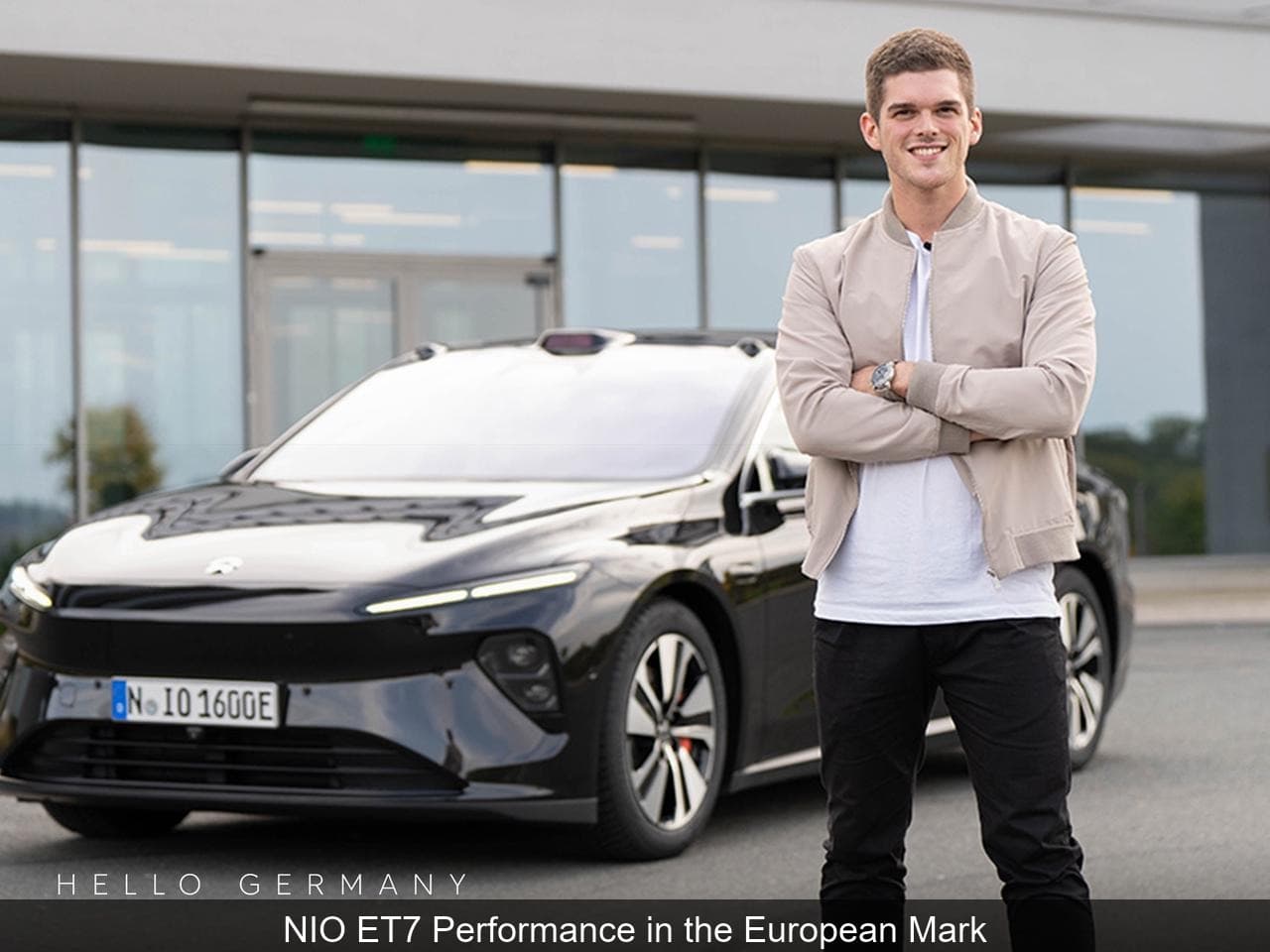
NIO ET7 Sales Surge: Chinese Cars Conquer Germany
NIO ET7 sales jump 200% in Germany! Discover how Chinese EVs like NIO, BYD, and XPeng are disrupting the European car market. Read more now!
NIO ET7 Electrifies Germany: Sales Surge 200% as Chinese Cars Gain Traction
NIO's ET7 sedan is making waves in Germany, with sales skyrocketing 200% year-on-year in the fourth quarter of 2025, reaching an impressive 3,500 units. This surge highlights the growing acceptance of chinese cars in the European market and signals a potential shift in the automotive landscape. While established players like BMW and Mercedes-Benz still dominate, the rise of brands like NIO, BYD, XPeng, Li Auto, Geely, Chery, and Great Wall is undeniable.
ET7's German Success: A Closer Look
The ET7's success in Germany can be attributed to several factors. First, its cutting-edge technology, including a massive 150kWh solid-state battery pack, delivers a WLTP-rated range exceeding 1,000 kilometers (621 miles). That's enough to make even Tesla owners envious. Second, NIO's innovative Battery as a Service (BaaS) model significantly reduces the upfront cost of the vehicle. Third, the company's rapidly expanding battery swap station network provides unparalleled convenience for EV owners.
Think of the ET7 as a Chinese alternative to the Mercedes-Benz EQS or the BMW i7. It offers similar levels of luxury and technology but with a distinctly modern and, some might say, more daring design. According to NIO's European market sales data, the ET7's positive reception in Germany is a strong indicator of its potential in other European markets.
Own a Chinese car?
We localize multimedia systems, navigation, and voice assistants for BYD, NIO, Chery, Haval and 40+ brands. Your language, your country — fully adapted.
Get a free consultation →Battery Swapping: A Game Changer?
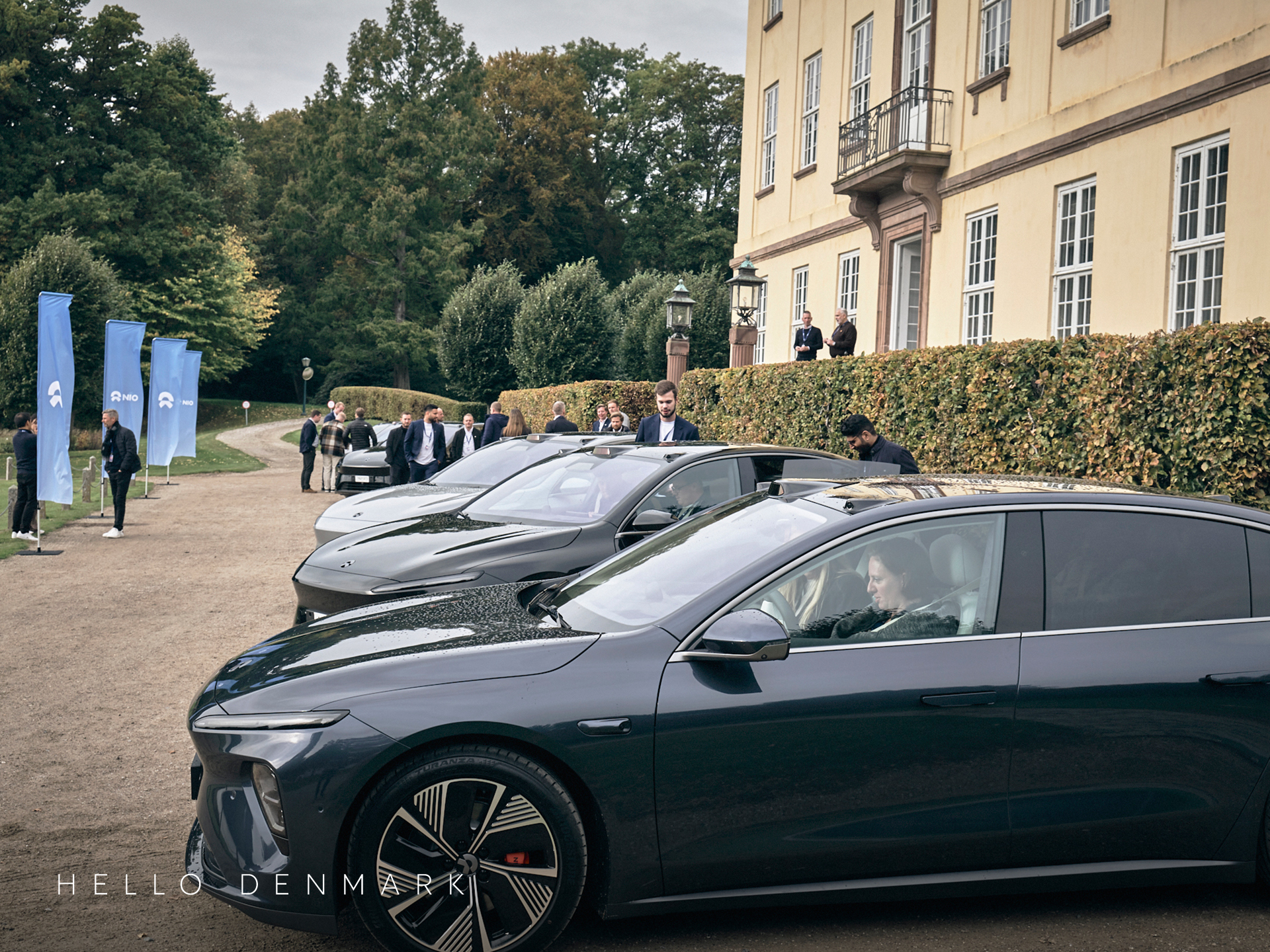
NIO's battery swapping technology is a key differentiator. With 85 battery swap stations already operational across Europe, including Germany, the Netherlands, Sweden, Denmark, and Norway, NIO is building a robust infrastructure that addresses range anxiety and charging time concerns. Instead of waiting for hours to charge, ET7 owners can simply swap their depleted battery for a fully charged one in a matter of minutes. This is a significant advantage, especially for those who frequently travel long distances.
This approach is a stark contrast to the charging infrastructure favored by Tesla and other manufacturers. While supercharging networks are expanding, they still require a significant time commitment. NIO's battery swapping offers a level of convenience that is hard to match, potentially attracting customers who are hesitant to switch to EVs due to charging concerns.
Pricing and Value Proposition
The starting price of the NIO ET7 in Germany is €69,900. However, opting for the BaaS model reduces the upfront cost to €49,900. Under the BaaS model, customers essentially lease the battery pack from NIO, paying a monthly subscription fee. This makes the ET7 more accessible to a wider range of buyers.
While €69,900 is still a significant investment, it's important to consider the ET7's features and performance. The 150kWh solid-state battery pack, the advanced driver-assistance systems, and the luxurious interior all contribute to its value proposition. Furthermore, the ET7's impressive range and battery swapping capabilities make it a practical choice for everyday use. The ADAC, Germany's influential automobile club, awarded the ET7 a comprehensive rating of 4.5 stars (out of 5 stars), further validating its quality and performance.
The Rise of Chinese EVs: A Global Trend
NIO's success in Germany is part of a larger trend: the rise of chinese cars in the global market. Brands like BYD, XPeng, Li Auto, Geely, Chery, and Great Wall are rapidly expanding their presence in Europe and other regions. These companies are investing heavily in research and development, producing EVs that are competitive in terms of performance, technology, and price.
While some consumers may still be hesitant to embrace chinese cars, the reality is that these vehicles are becoming increasingly sophisticated and reliable. The ET7's success in Germany is a testament to this fact. As chinese cars continue to improve and gain market share, they are likely to become a major force in the global automotive industry. The UK and US markets are watching closely to see if this trend will translate across the Atlantic.
Voice assistant in your language
AI-powered voice control that actually understands you. Works offline. Available for 50+ Chinese car models.
See our services →Future Expansion: France and Italy on the Horizon
NIO is not resting on its laurels. The company plans to enter the French and Italian markets in 2026, further expanding its European footprint. This expansion will likely involve the establishment of new sales networks and the deployment of additional battery swap stations. As NIO continues to grow, it will be interesting to see how it competes with established European automakers and other emerging EV brands. The success of chinese cars in these new markets will be a key indicator of their long-term potential.
FAQ
Q: Are chinese cars like NIO reliable?
A: While perceptions may vary, brands like NIO are investing heavily in quality control and technology. The ADAC's 4.5-star rating for the ET7 suggests a high level of reliability. Early concerns about build quality are being addressed, and many chinese cars now offer comparable or even superior features to their European and American counterparts.
Q: What is the advantage of NIO's Battery as a Service (BaaS) model?
A: BaaS significantly reduces the upfront cost of the vehicle, making it more accessible. It also eliminates concerns about battery degradation and replacement costs. Furthermore, it allows owners to upgrade to newer battery technologies as they become available.
Q: Will NIO's battery swapping technology come to the US or UK?
A: While NIO has not yet announced specific plans for the US or UK markets, the success of its battery swapping technology in Europe suggests that it could be a viable option in other regions. However, the infrastructure investment required to deploy a battery swapping network is significant, so it remains to be seen whether NIO will pursue this strategy in the US or UK.