China Auto Industry: Tech & Tradition for Global Power
Explore China's automotive ambition to dominate the global market by merging traditional craftsmanship with cutting-edge technology. Learn more!
China's Automotive Ambition: Bridging Tradition and Tech for Global Domination
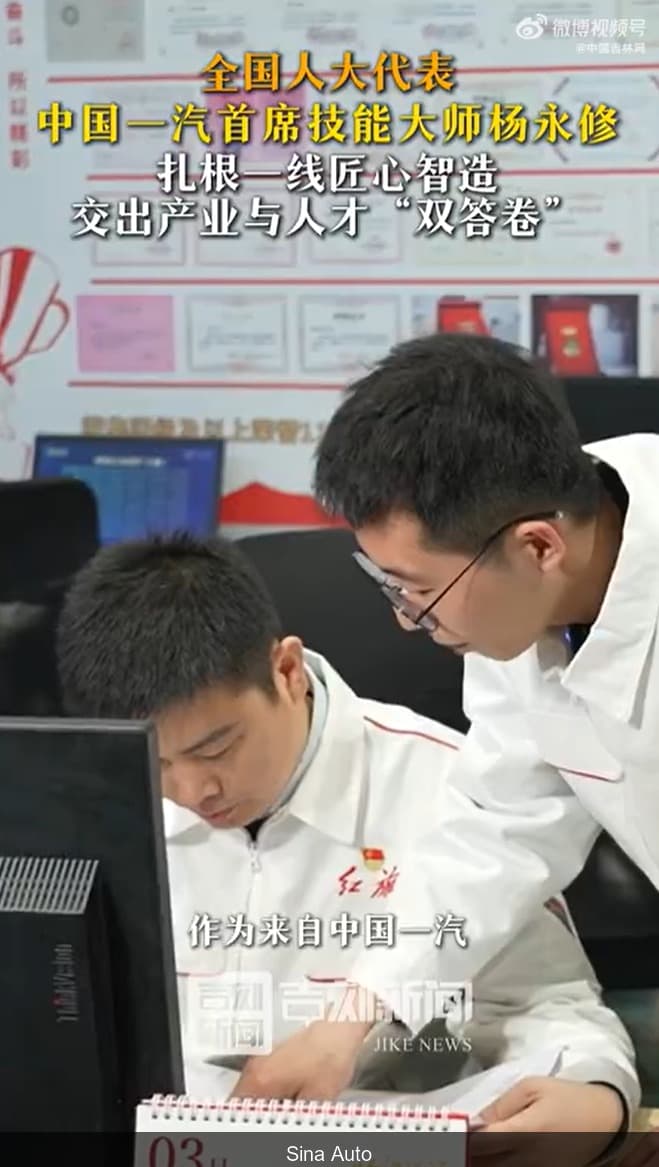
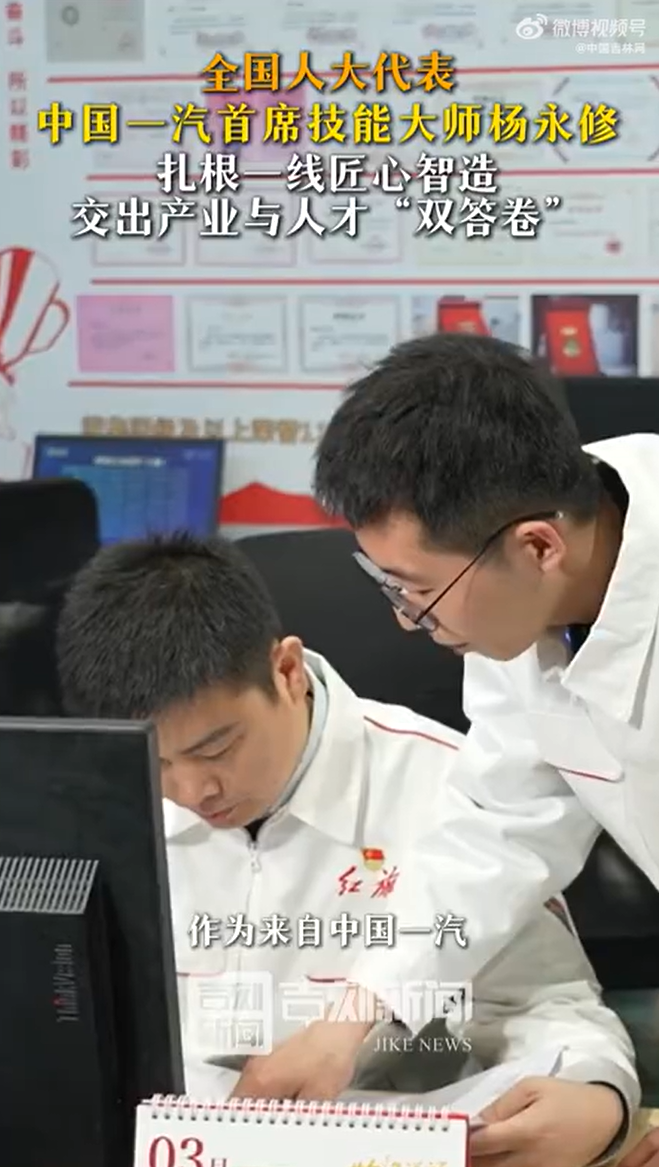
China is aiming to become a global automotive powerhouse by blending traditional craftsmanship with cutting-edge technology. According to Yang Yongxiu, a representative at the National People's Congress (NPC) and a leading figure at China FAW, this strategy is crucial for the high-quality development of the intelligent connected vehicle (ICV) industry. Yang, drawing on his experience as a Chief Skills Master and technician, is advocating for policies and initiatives that support this vision.
The core of China's strategy involves a systematic approach to overcoming the challenges in developing intelligent connected vehicles. Yang Yongxiu suggests focusing on the integration of vehicle, road, and cloud technologies, ensuring independent control over key core technologies, and fostering collaborative industrial innovation. He believes that by implementing benchmark pilot programs, establishing unified standards, and providing robust policy support, the industry can be propelled towards intelligence, sustainability, and seamless integration. This echoes the sentiment behind the rapid rise of Chinese electric vehicle (EV) manufacturers like BYD, NIO, XPeng, and Li Auto, all vying for a piece of the global market. Consider BYD's Blade Battery technology, for example, which offers enhanced safety and energy density, directly addressing key concerns in the EV sector.
Talent development is another critical pillar of China's automotive strategy. Yang emphasizes the need to cultivate highly skilled individuals in the field of intelligent connected new energy vehicles. This includes improving the integration of industry and education, creating clear career pathways for skilled workers, and strengthening talent development in emerging fields. The goal is to build a strong foundation for the automotive industry by transforming grassroots ideas into practical measures that drive industrial progress. This is particularly important as Chinese brands like Geely, Chery, and Great Wall increasingly focus on exporting their vehicles to global markets, requiring a workforce capable of supporting advanced technologies and meeting international standards.
Traditional skills and cutting-edge technologies are not mutually exclusive, but rather complementary forces. According to Yang Yongxiu, the "feel, experience, and precision control of traditional craftsmen are the irreplaceable soul of cutting-edge intelligent equipment." He argues that intelligent manufacturing, intelligent connectivity, and new energy technologies create new opportunities for traditional skills. By effectively combining the expertise of experienced masters with new processes, equipment, and algorithms, China can achieve a significant leap from traditional manufacturing to intelligent manufacturing. This approach is vital for producing high-quality vehicles that can compete with established brands in Europe, the US, and Japan.
Navigating the Chinese Automotive Landscape: A Local's Perspective
Thinking of importing a Chinese EV or taking advantage of their advanced technology? While the cars themselves are increasingly impressive, navigating the infotainment systems and digital features can be a challenge for those unfamiliar with the Chinese language and ecosystem. Many of these vehicles are designed primarily for the domestic market, meaning the user interface and connected services are tailored for Chinese consumers.
That's where localization services come in. Imagine getting behind the wheel of a sleek NIO or XPeng, but with a fully translated and customized experience. Here's what's possible:
* Multimedia & menu localization to English: No more guessing what those Chinese characters mean! Everything from the navigation system to the climate control settings will be clearly displayed in English.
* App installation (Google Maps, Spotify, WhatsApp): Access your favorite apps seamlessly integrated into the car's infotainment system. Stay connected and entertained on the go.
* SIM card with unlimited mobile internet: Enjoy reliable connectivity for navigation, streaming, and staying in touch, without worrying about data limits.
* Voice assistant in English: Control various car functions with your voice, making driving safer and more convenient.
* AI driving assistant: Benefit from advanced driver-assistance systems (ADAS) that are tailored to your driving style and preferences.
These services can transform your experience with a Chinese car, making it feel like it was designed specifically for you.
Learn more → https://example.com/en
Own a Chinese car?
We localize multimedia systems, navigation, and voice assistants for BYD, NIO, Chery, Haval and 40+ brands. Your language, your country — fully adapted.
Get a free consultation →Skills Master Studios: Incubators for Automotive Innovation
China is investing heavily in Skills Master Studios to drive innovation and talent development. These studios focus on tackling key technological challenges and cultivating skilled professionals. They integrate the resolution of critical "chokehold" technologies with the development of well-rounded talent. A "chokehold" technology is one where China is dependent on foreign suppliers. The studios establish mechanisms for soliciting solutions to complex problems, pairing mentors with apprentices, fostering collaboration between industry and education, and solidifying achievements. The processes, skills, and innovative approaches used to solve technical problems are documented in standards, papers, and patents, creating a replicable and scalable model for talent development and technological innovation.
The Skills Master Studios aim to evolve from technical hubs to talent incubators and industry demonstration centers. The goal is to cultivate more senior professionals who possess both traditional skills and expertise in cutting-edge technologies, further strengthening the national automotive industry. This approach is designed to ensure that China not only produces innovative vehicles but also has the skilled workforce necessary to maintain its competitive edge. Consider the potential impact on the global market: if Chinese automakers can consistently deliver high-quality, technologically advanced vehicles at competitive prices, they could significantly disrupt the established automotive landscape. For example, the XPeng P7, with its sleek design and advanced autonomous driving features, is already drawing comparisons to the Tesla Model 3, but at a potentially lower price point. The Li Auto L9, a large SUV with an extended-range electric powertrain, offers a compelling alternative to traditional SUVs like the Range Rover, boasting a range of over 600 miles (965 km) and a price tag starting around $68,000.
Voice assistant in your language
AI-powered voice control that actually understands you. Works offline. Available for 50+ Chinese car models.
See our services →The Road Ahead: Challenges and Opportunities
While China's automotive ambitions are significant, challenges remain. Ensuring consistent quality control, building brand recognition in established markets, and navigating international trade regulations are just a few of the hurdles that Chinese automakers must overcome. However, with its strong government support, vast domestic market, and growing technological capabilities, China is well-positioned to become a major player in the global automotive industry. The success of brands like BYD, NIO, XPeng, Li Auto, Geely, Chery, and Great Wall will depend on their ability to adapt to global market demands, build trust with international consumers, and continue to innovate in key areas such as electric vehicle technology, autonomous driving, and connected car services.
FAQ
Q: Are Chinese cars safe and reliable enough for the US/UK/Global market?
A: While early Chinese cars faced criticism regarding safety and reliability, brands like BYD, NIO, and XPeng are now producing vehicles that meet international safety standards and offer competitive reliability. Independent testing and consumer reports are increasingly positive, but it's essential to research specific models and brands before making a purchase.
Q: How do Chinese EVs compare to Tesla and other established EV brands?
A: Chinese EVs often offer comparable or even superior technology in some areas, such as battery technology and advanced driver-assistance systems. They also tend to be more competitively priced. However, Tesla still holds an advantage in terms of brand recognition, charging infrastructure, and software ecosystem. The competition is fierce, and the gap is closing rapidly.
Q: Will Chinese car brands eventually dominate the global automotive market?
A: It's too early to say definitively, but Chinese automakers are undoubtedly a force to be reckoned with. Their strong focus on electric vehicles, technological innovation, and competitive pricing gives them a significant advantage. Success will depend on their ability to adapt to global market demands, build strong brands, and overcome regulatory hurdles.